
01
All In
There’s a version of Holiday Haus that never existed.
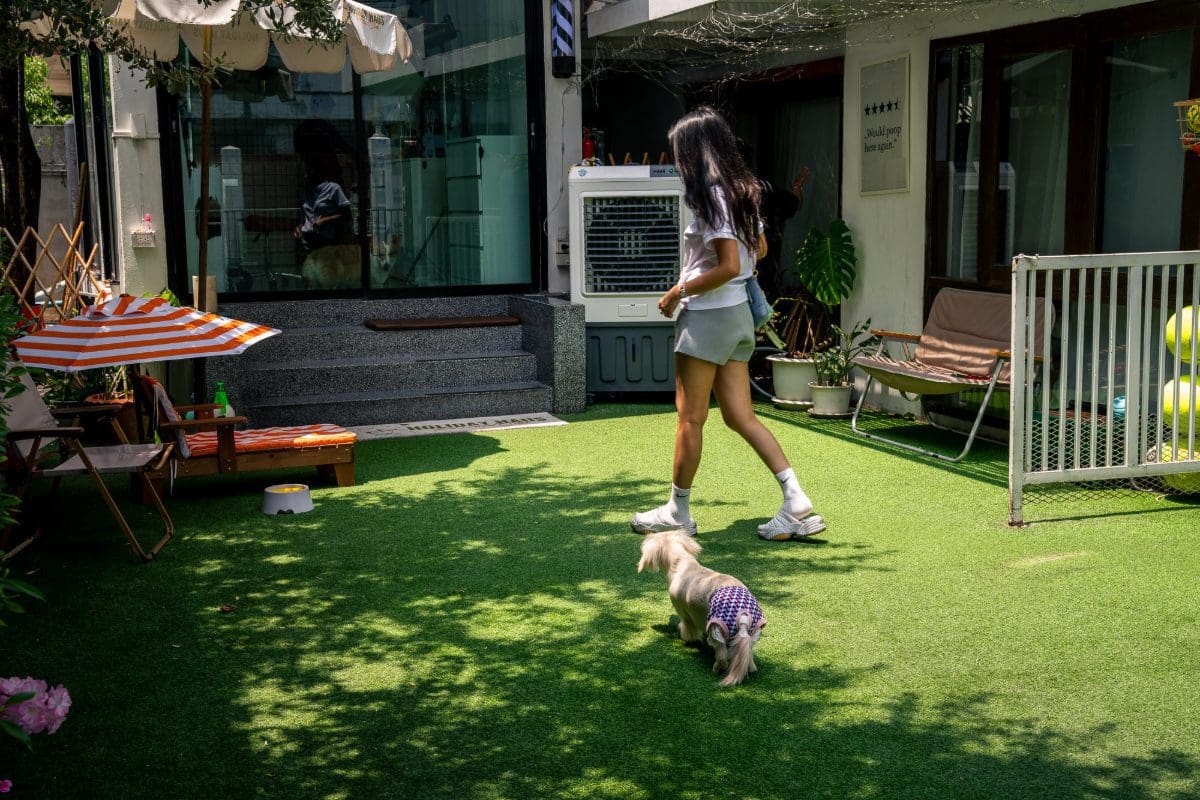
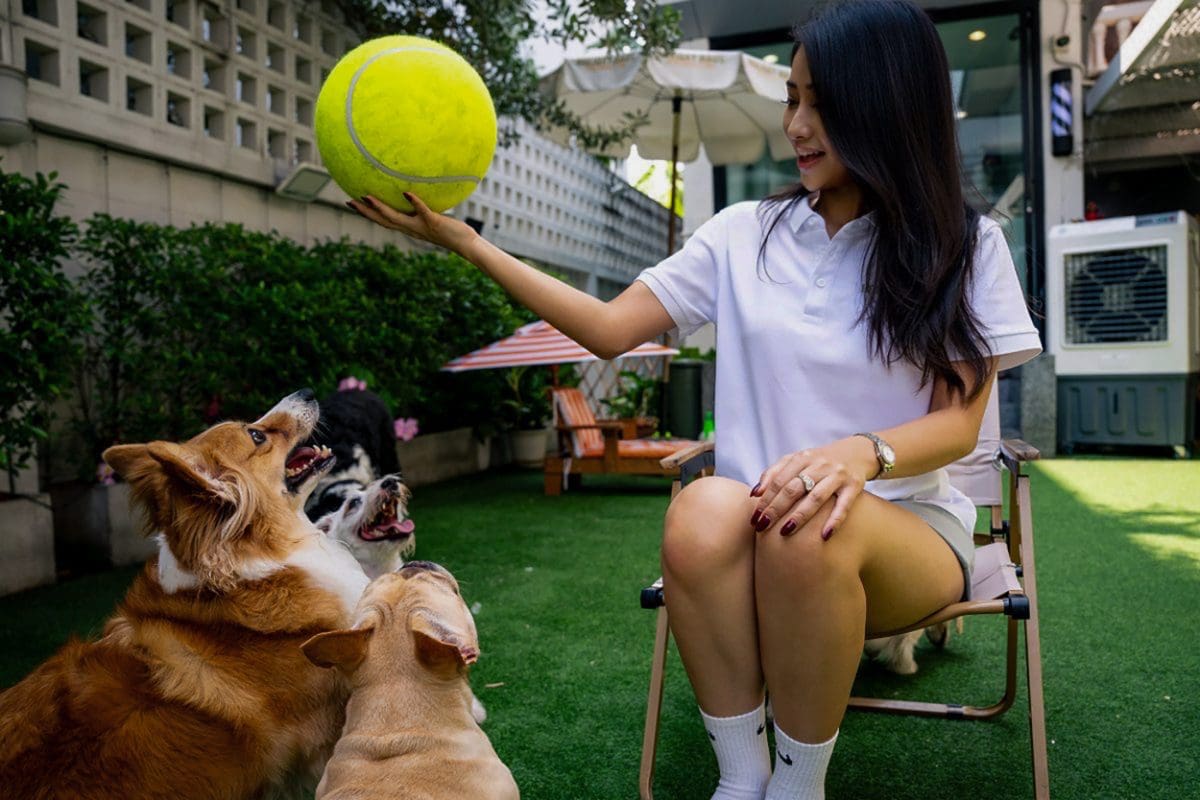
No cage-free dog hotel. No morning runs in the garden. No dogs that have practically moved in. Just a grooming station, a fun zone, and — somehow — a video content studio.
That was the original partners’ vision. They had invited Aor in, drawn by her following and her well-known love of dogs. A month later, they came back with a different plan. The dog hotel would go. The rest would become something else entirely.
As the business began to take shape, it became clear that everyone had a different vision for what it could become. While the original partners ultimately chose to pursue a different direction, Aor remained convinced that the dog hotel was the heart of the idea.
Aor said no. They parted ways. And she went all in.
“If it’s not this place, then no,” she says.
“If it’s not this place, then no.”
That was the moment Holiday Haus became what it is today — one of Bangkok’s most trusted cage-free dog hotels, and a space that has found a loyal home among Ekkamai’s dog owners.
02
The Long Way Here
For Aor, dogs were never a discovery. They were always just there.

As a child, she begged her parents to take her to dog shows. She remembers visiting a family friend’s home filled with dogs running freely and not wanting to leave — it felt, she says, like what a home should be. Her first dog, a Shih Tzu named Dodo, arrived when she was around six and stayed in her life for twenty years.
By the time Holiday Haus opened, she had lived with chihuahuas, dachshunds, poodles, golden retrievers, Yorkshire terriers, and huskies. Each one gave her a hands-on understanding of different temperaments — what makes a dog feel safe, what makes one feel unsettled, how the same dog can behave entirely differently depending on the environment around them.
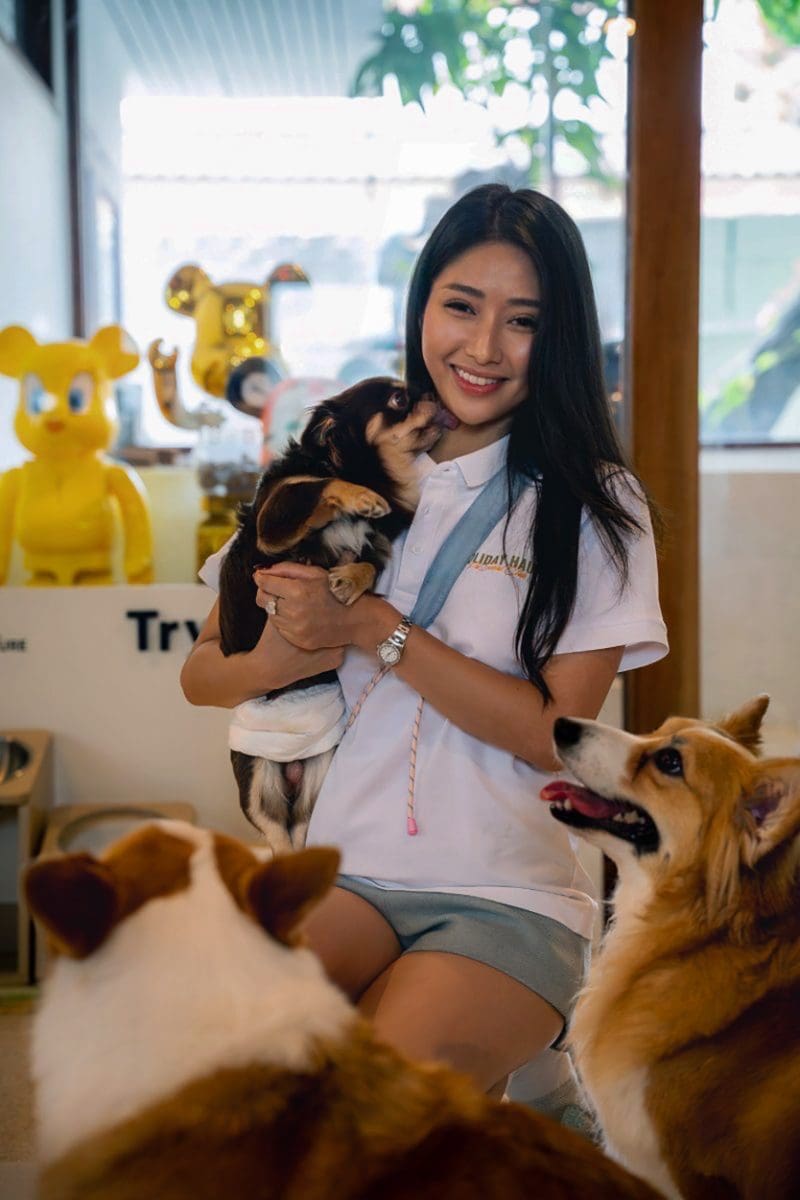
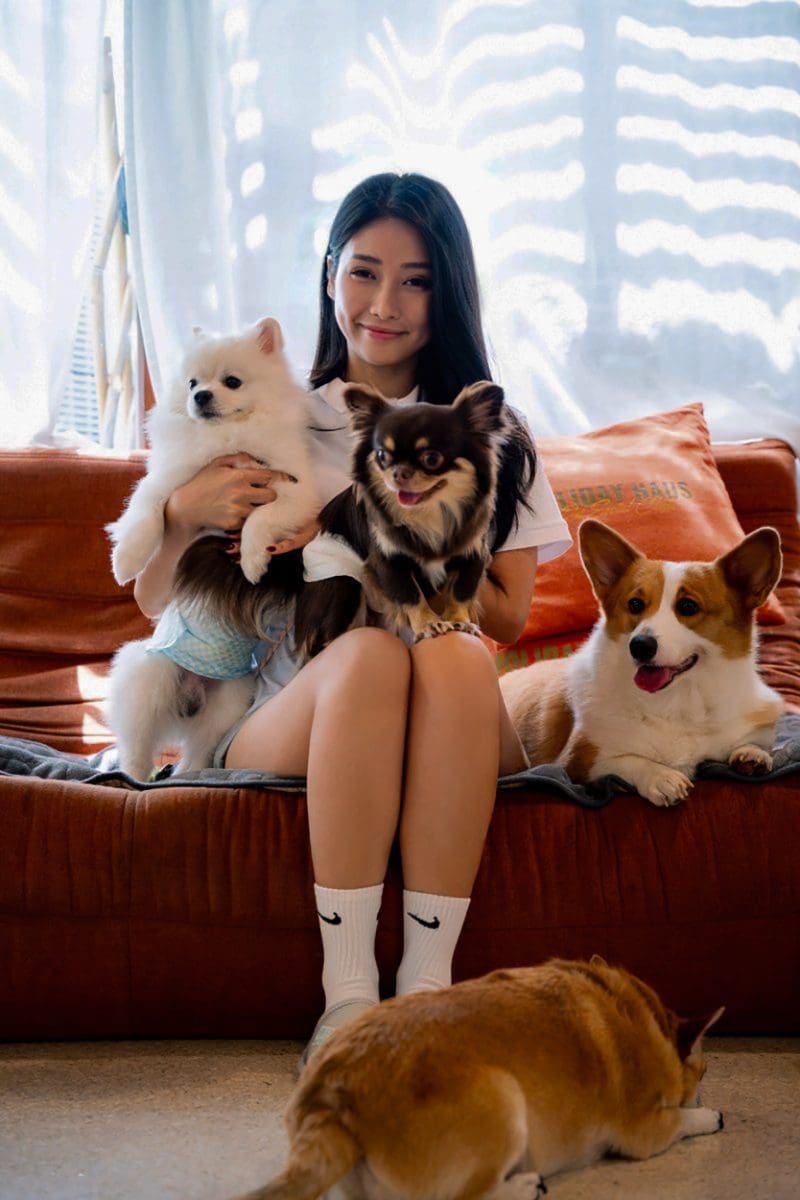
That education shaped everything. Not a business plan. Not a market study. Just a lifetime of paying close attention.
What she noticed, living with multiple dogs in Bangkok, was how limiting the city could be for them. Most dogs were kept at home or taken on routine walks, with little real opportunity to socialise. But when the environment was right — calm, considered, structured — even territorial dogs became more confident. Naturally social dogs thrived in ways they simply couldn’t elsewhere.
“There was a gap between basic care and thoughtful care,” she says. “I wanted to create a space where dogs don’t just stay — but have their own routine, social life, and a genuine sense of comfort.”
“There was a gap between basic care and thoughtful care.”
03
What Thoughtful Care Actually Looks Like
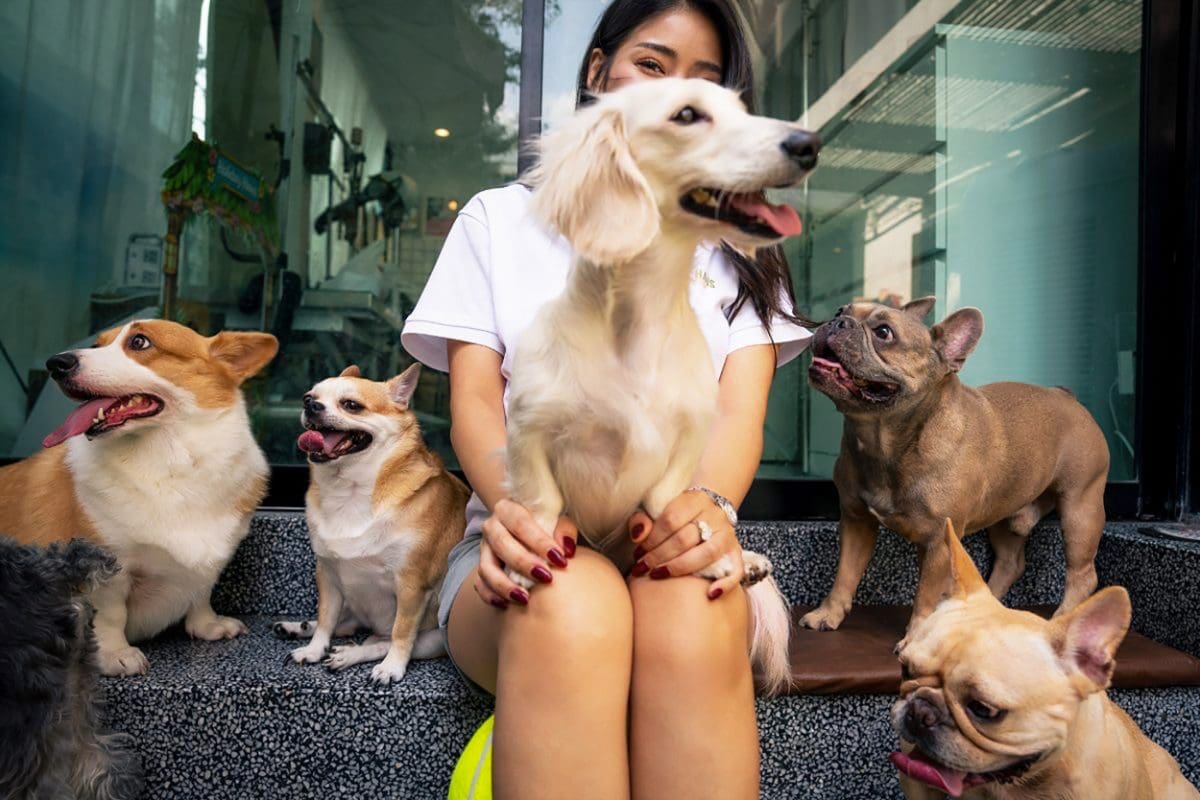
On a typical day at Holiday Haus, eighteen to twenty dogs pass through. During Bangkok’s holiday periods, that climbs toward thirty. There are regulars who come almost daily — a teacher who drops off at 6:30 in the morning before school, office workers whose commute now routes through Ekkamai. There is nightcare for the dinner crowd, running 6pm to midnight, for owners who want a night out without leaving their dog home alone.
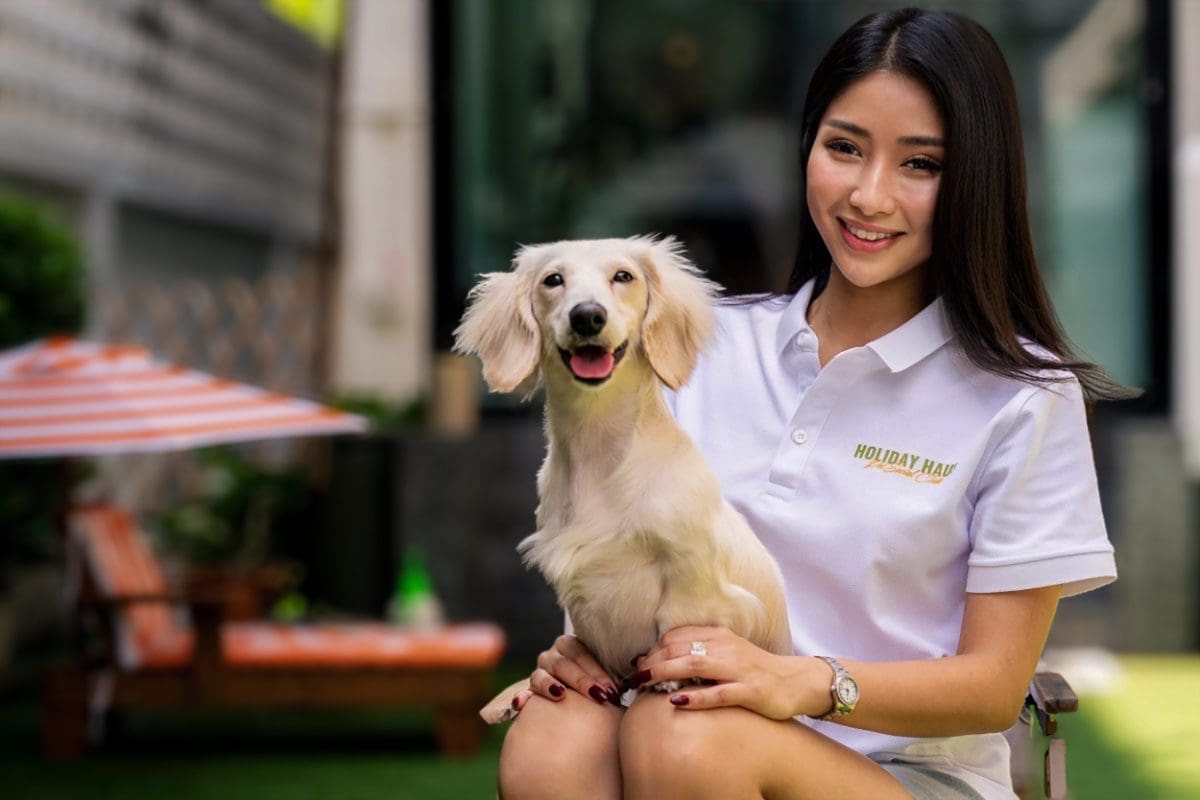
And then there are the dogs that have barely left at all. Two of them have been at Holiday Haus for close to two years, going home perhaps four or five times in that stretch.
“It’s not even 24-hour daycare at that point,” Aor laughs. “It’s just their life now.”
“It’s just their life now.”
The care is detailed from the first interaction. Before any dog checks in, owners complete a registration covering vaccinations, personality, dietary needs, allergies, attachment style, and anything else the team should know. Some owners fill in a full page. Others leave it mostly blank. Both tell her something.
Holiday Haus also maintains a direct relationship with a veterinary hospital nearby — an arrangement that means no awkward delay if something goes wrong. They can act immediately, and if an owner isn’t reachable, they make the call themselves. It has mattered. A dog arrived mid-seizure. A Pomeranian’s lens unexpectedly displaced — and while the owner was able to fly back from abroad the same day, it was the immediate veterinary care that mattered most.
The social dimension is real too. Aor notices which dogs have grown up alongside each other and taken on traces of each other’s personalities. She texts owners when their dog’s best friend has just checked in.
“Sometimes they send the dog right away. 8am, no questions.”
04
Bangkok, Step by Step
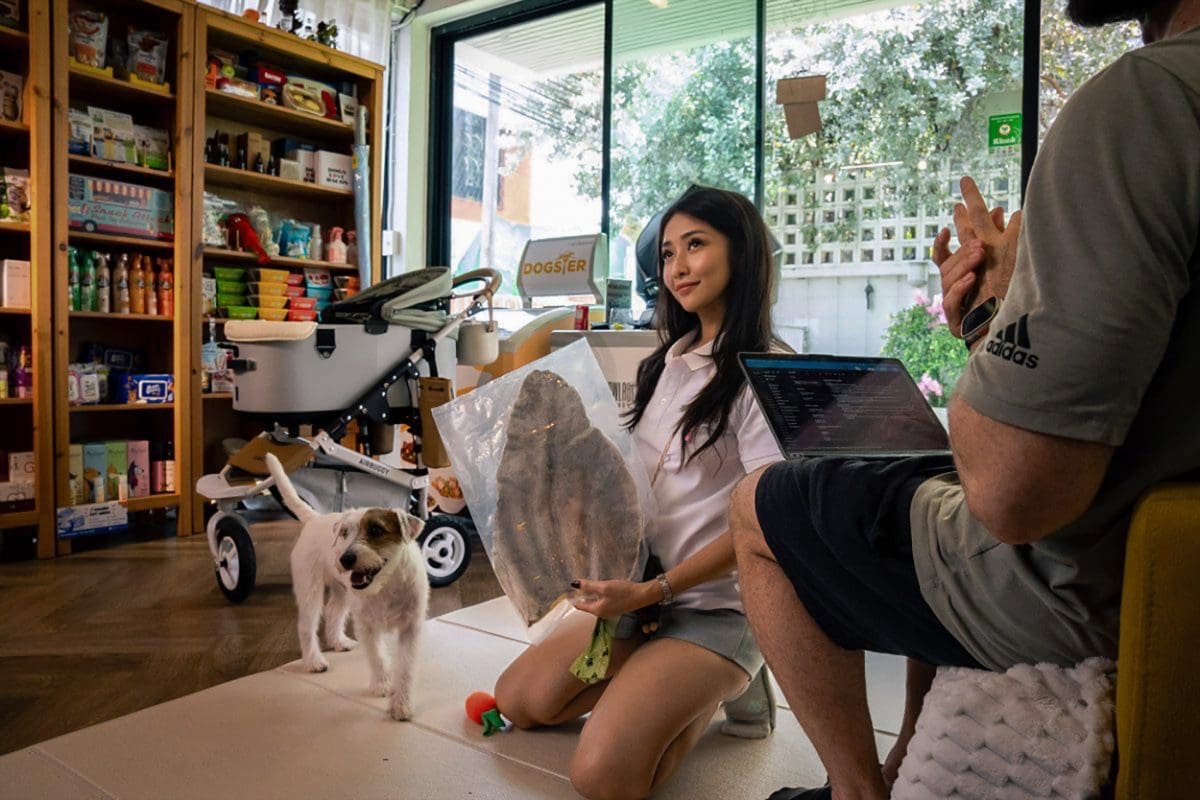
After more than two years building one of Bangkok’s most considered dog-friendly spaces, Aor is clear about what she wants the city to become. Not just more places that allow dogs — but a Bangkok where dogs can go everywhere. Every coffee shop with a small corner. Every neighbourhood a little more thought through.
“Even if they bark a lot,” she says, “they should still be able to be inside.”
She knows it takes time. Dog-friendly culture in Bangkok is growing, she says — she’s watched it shift, step by step, over the years she’s been doing this. More intentional spaces. Better infrastructure. A stronger sense of what responsible ownership actually looks like. She thinks Holiday Haus has played a part in that. She’s a little surprised, still, by how widely it’s known.
When a friend told her recently that someone had asked where to take their dog in Bangkok — and Holiday Haus was the answer — she lit up.
“I feel power,” she says, and laughs at herself for it.

She has had, by her own count, more dogs in her life than ex-boyfriends. This seems to her like the right outcome.