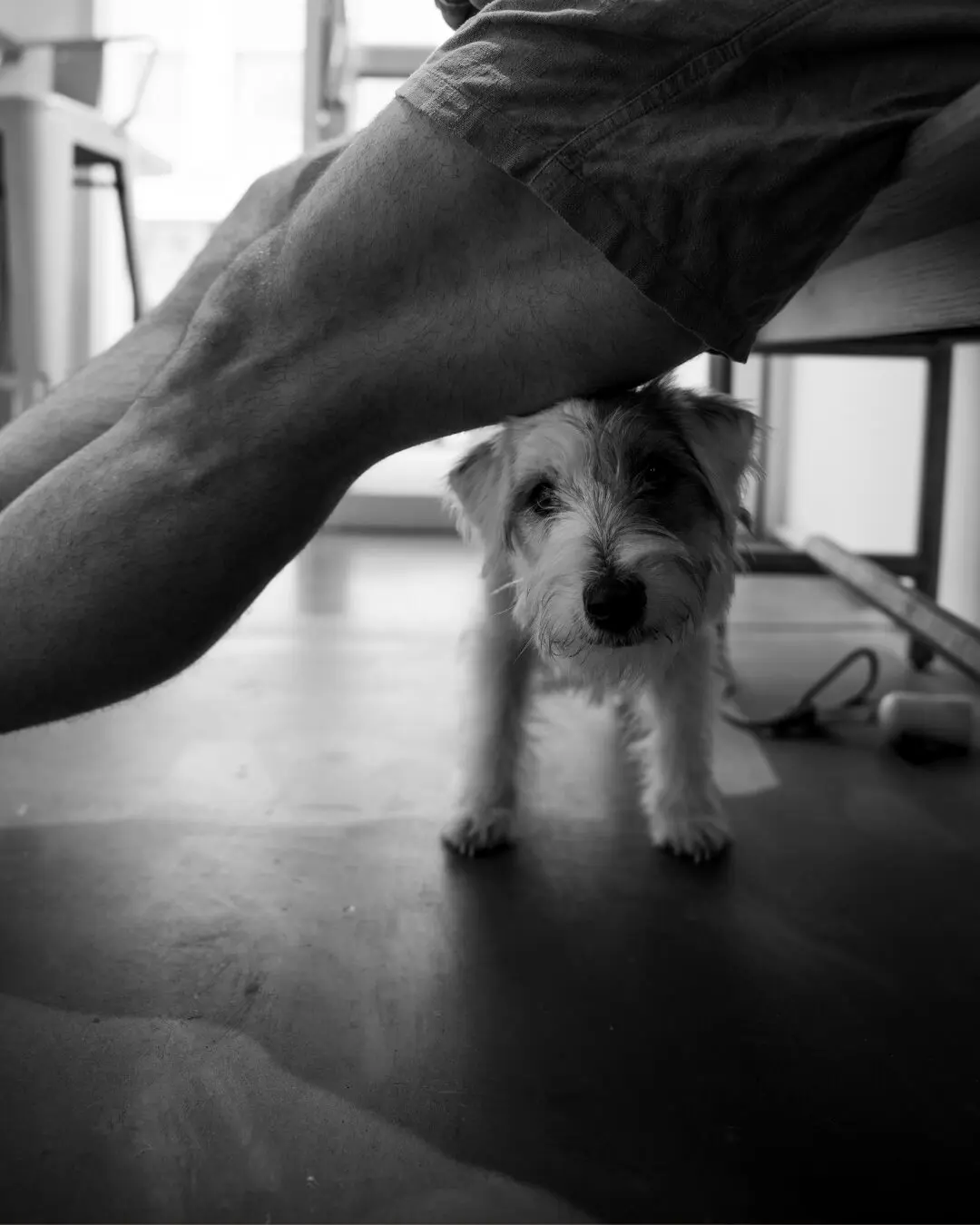
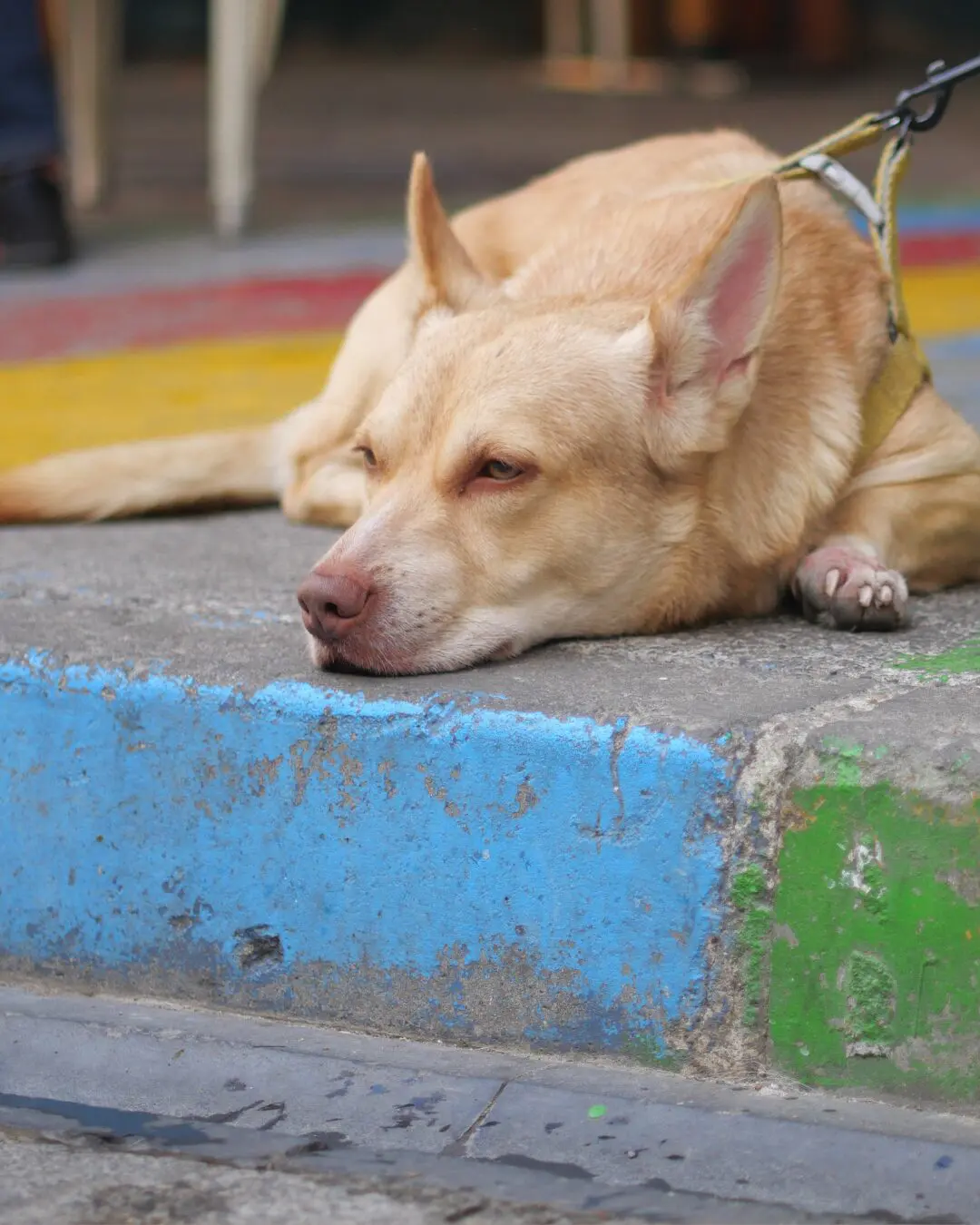
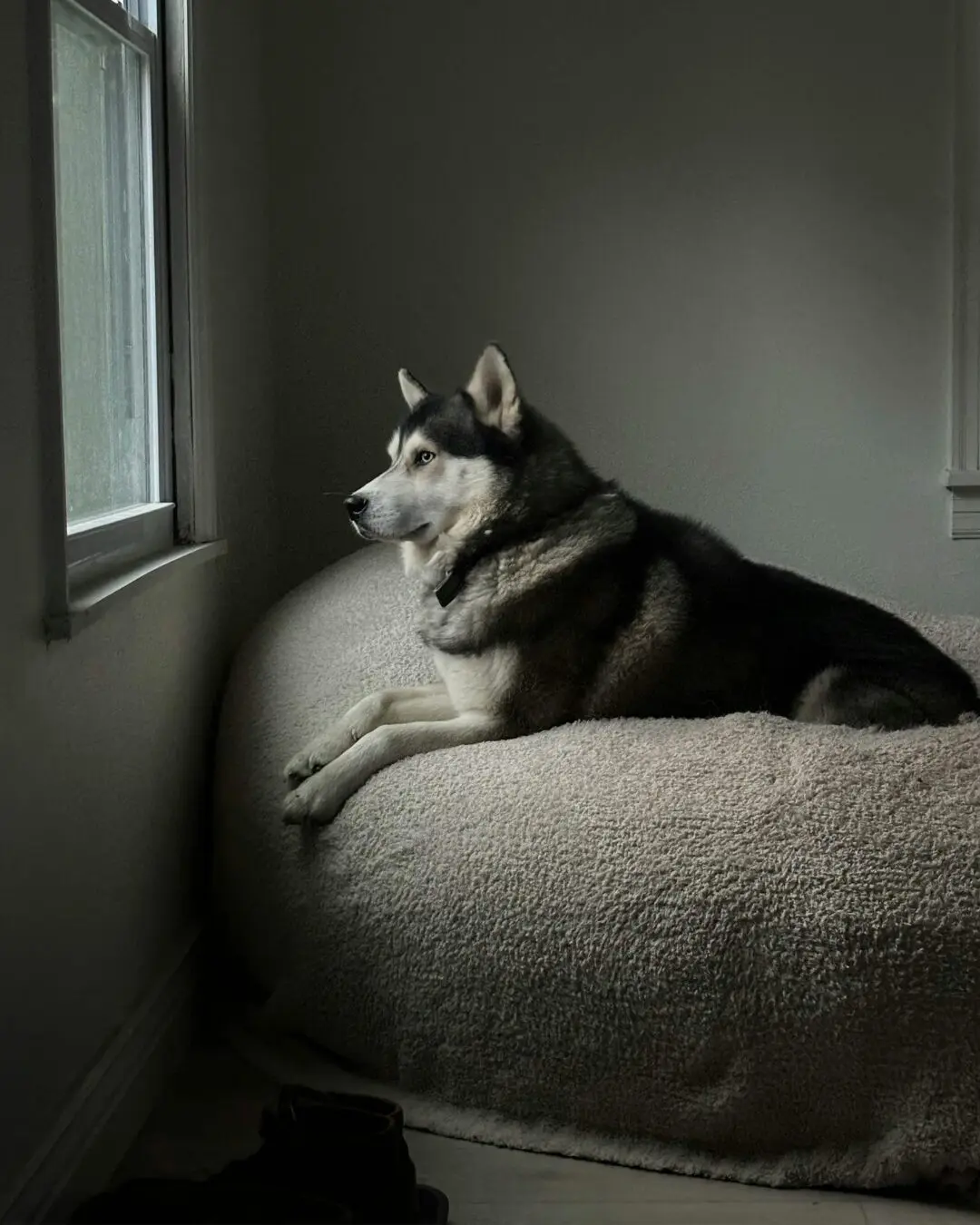

Your dog isn’t sick. Nothing dramatic happened. But something has quietly shifted — and you can’t quite put your finger on it.
Bangkok dog owners tell us this constantly. And it turns out there’s a name for what they’re describing.
What we’re actually talking about
Stress in dogs isn’t just about fear, loud noises, or big scary events. Chronic stress is something quieter: a low-level, ongoing strain that builds when a dog’s environment consistently asks more of them than they can comfortably handle.
According to VCA Animal Hospitals, one of North America’s largest veterinary networks, the signs of anxiety in dogs are often subtle and easily misinterpreted. Tufts University’s Cummings School of Veterinary Medicine goes further, noting that dogs experiencing ongoing stress may gradually lose interest in food, play, training, and social interaction — a slow erosion rather than a sudden change.
Bangkok doesn’t cause this in every dog. But the city creates conditions where it’s easier to miss — and harder to avoid.

Just think about what your dog is navigating every day
Concrete heat radiating off the pavement. Diesel fumes. Dense crowds. Motorbikes appearing from every direction. Street food at nose height demanding constant self-control. And then, for most Bangkok dogs, a return to a small condo with no yard, no decompression space, and very little silence.
This is their entire world. And it asks a great deal of them.
According to Tufts University’s Cummings School of Veterinary Medicine, dogs exposed to persistent environmental pressure — unpredictability, confinement, lack of routine, and constant stimulation with no real rest — are among the most vulnerable to chronic stress. A city like Bangkok stacks several of these on top of each other, daily, with no real off-switch.
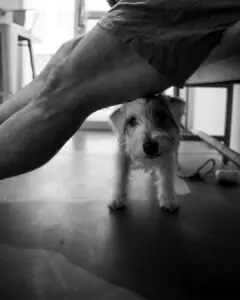
Something feels off — but it’s hard to pin down
The owners facing this situation are usually not describing a crisis. They’re describing a mood. A dog that used to settle quickly and now can’t. A dog that seems fine on the surface but isn’t quite the same.
That’s often how chronic stress shows up. Not dramatically — just gradually, in the background. A study in the Journal of Veterinary Behavior found that many owners can correctly identify obvious stress signals like trembling or barking, but far fewer recognise the subtler ones — which are often the earlier and more telling signs.

Patterns worth watching for
These are the things some Bangkok owners start noticing — often in hindsight:
- Yawning or lip-licking on walks — not from tiredness. Norwegian behaviourist Turid Rugaas was among the first to document these as “calming signals,” and they’re now widely recognised by veterinary behaviourists as early stress indicators.
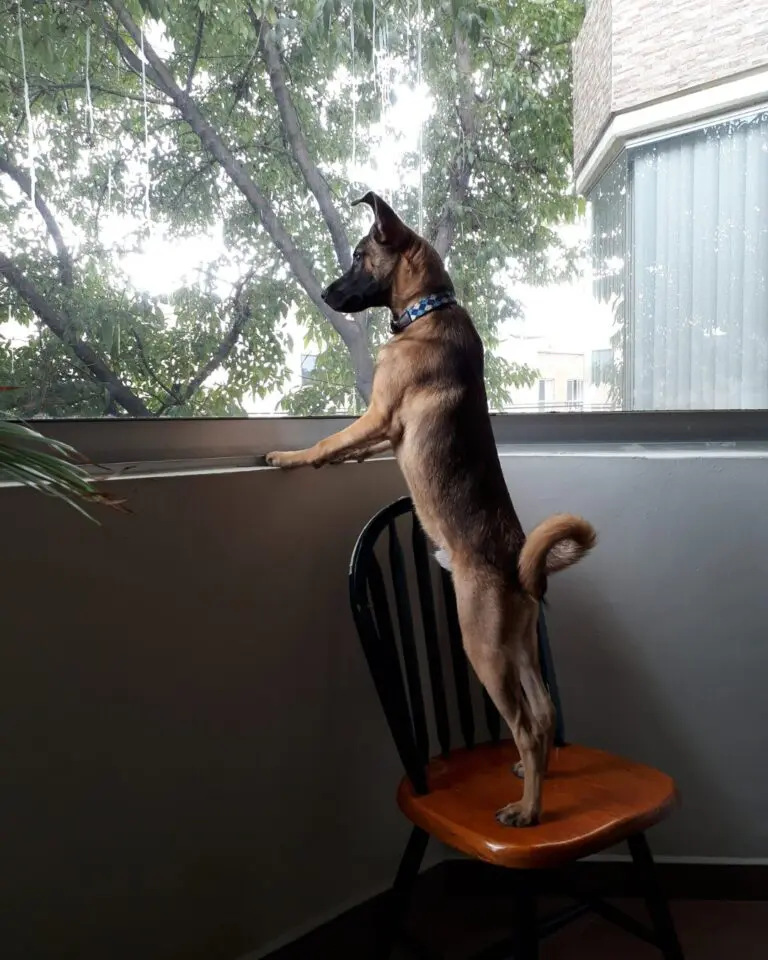
- Scanning the room constantly instead of settling — hypervigilance, rather than relaxation, even in familiar spaces.
- Takes a long time to wind down, even after short outings — the nervous system staying elevated long after the trigger has passed.
- Restless nights after busy days out — difficulty transitioning from arousal to rest.
None of these is definitive on its own. But a pattern of several, recurring in a city context, is worth taking seriously. If any of this sounds familiar, it’s worth a conversation with a vet or animal behaviourist familiar with the Bangkok environment.

Small shifts that seem to help
You can’t change the city. But you can change what you ask of your dog in it.
These aren’t clinical prescriptions — just things a lot of owners living in densely populated urban areas, like Bangkok, have found actually make a difference:
- Swap one busy outing for a slow sniff walk. No agenda, no pace, let them lead. Research on canine cognition consistently shows that olfactory exploration is one of the most mentally satisfying — and decompressing — activities for dogs. A slow 20-minute sniff walk can be more restorative than a brisk 45-minute one.
- Give them quiet time after outings. Twenty to thirty minutes of calm before the next stimulus — another dog, a visitor, mealtime — gives the nervous system a chance to reset. The Cummings School notes that predictability and routine are among the most effective tools for managing canine anxiety.
- Protect boring days. Bangkok makes them rare. But low-stimulus days are not wasted days — they’re recovery days. Dogs, like people, need periods of genuine rest to maintain their stress threshold over time.

A note on this conversation
With the goal of helping Bangkok dog owners better navigate the unique challenges of living in densely populated urban area, we think this is a conversation worth having. Most of the mainstream advice out there was written for dogs with gardens, quiet streets, and a very different pace of life. Bangkok is different.
Your dog is adapting to Bangkok every single day. The least we can do is pay attention.
If you found this useful, share it with a Bangkok dog owner who needs to read it.
References
VCA Animal Hospitals — Signs Your Dog is Stressed and How to Relieve It, 2024.
Tufts University Cummings School of Veterinary Medicine — Anxiety in Dogs, 2023.
Mazur & Lind — Owner perception of stress behaviours in dogs, Journal of Veterinary Behavior, 2017.
Rugaas, T. — On Talking Terms with Dogs: Calming Signals, Dogwise Publishing, 2006.